

July 2026
Event details











Event Description
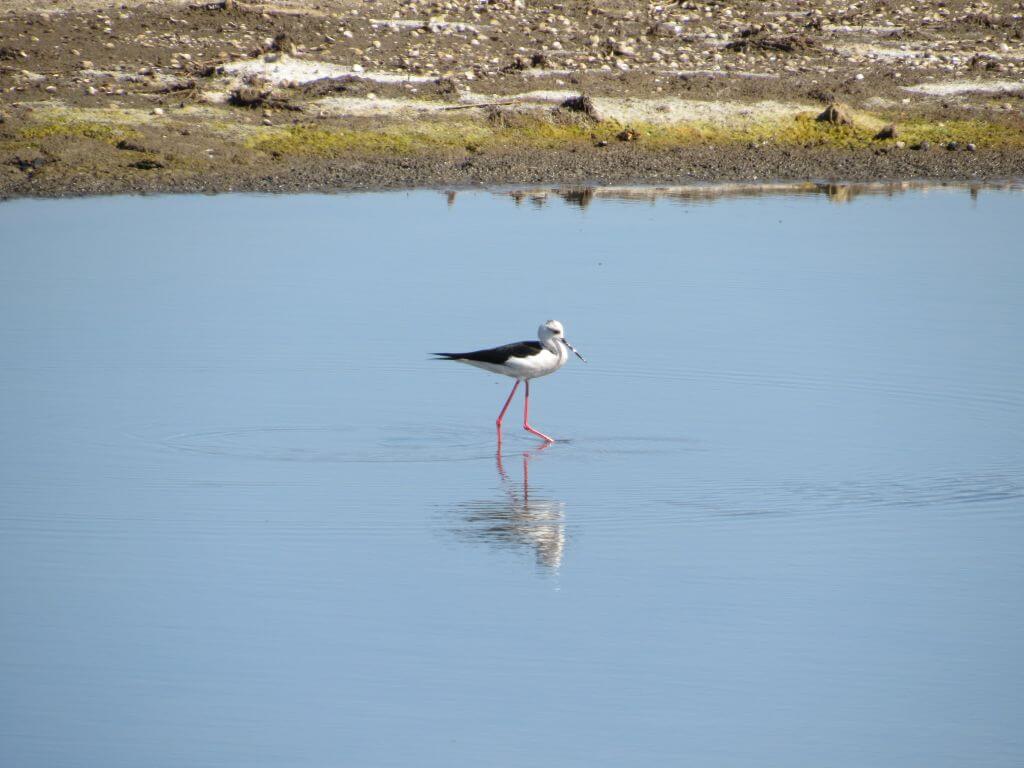
This event will include a guided tour of the Samouco salt pans, with an emphasis on identifying the flora and fauna, especially the countless birds that inhabit this area. We will also learn about the culture and history linked to the salt pans.
Salinas do Samouco:
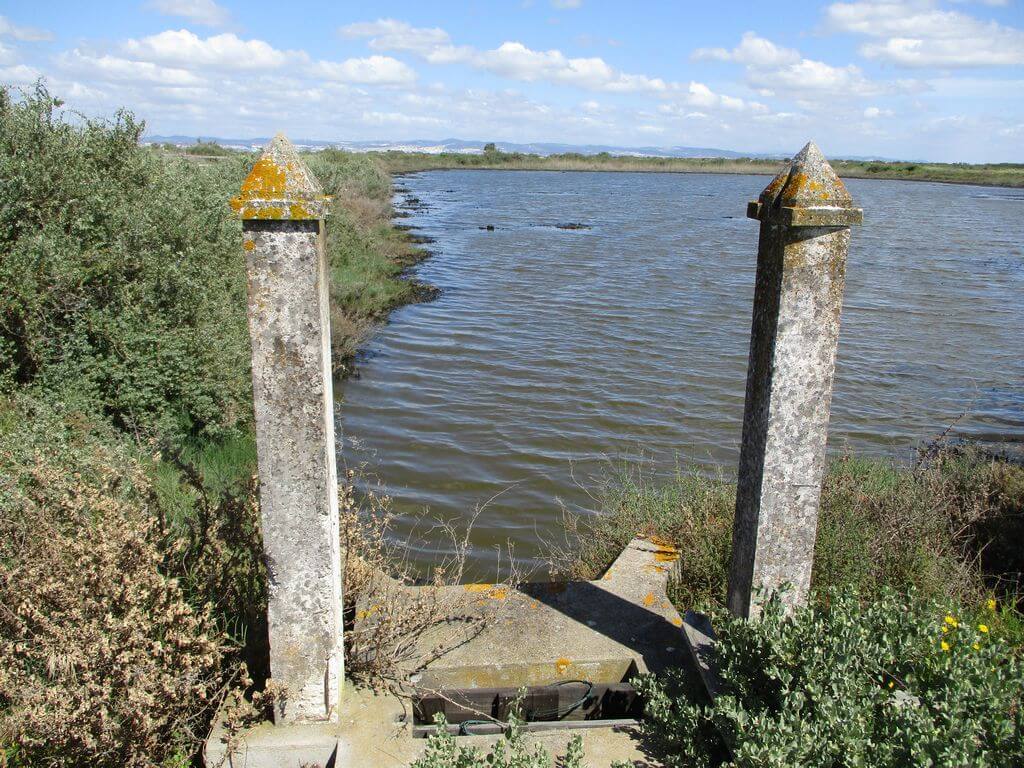
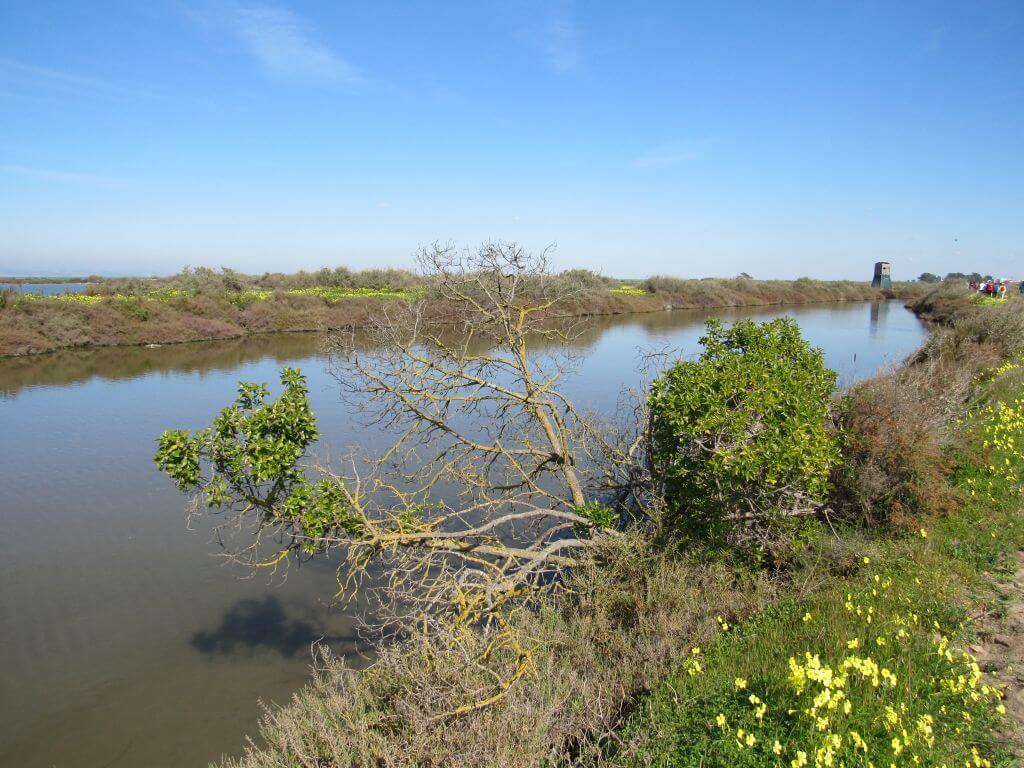
The salt pans complex, as the name suggests, is made up of several salt pans and their respective tanks, which decrease in size as you move inland, also increasing the complexity of the accesses. In addition to the tanks, there is an intricate system of ditches that supply the tanks with water from the river. The abandonment and degradation of some salt pans has led to the invasion of allophytic vegetation, which is subject to the tides, giving rise to patches of salt marsh.
Within its 360 hectares, which comprise the Salinas do Samouco complex, 170 species of birds have been detected to date. You can also see some Mirandese donkeys, which have their own space within the reserve.
The salt pans are highly eroded structures that require regular maintenance, which consists of maintaining the protective walls and partitions of the salt pans, cleaning the ditches and cisterns and preserving the sluice gates. Management allows this salt marsh to be one of the richest in water birds in the entire Tagus estuary and at the same time enables the development of some economic activities associated with the salt marshes.
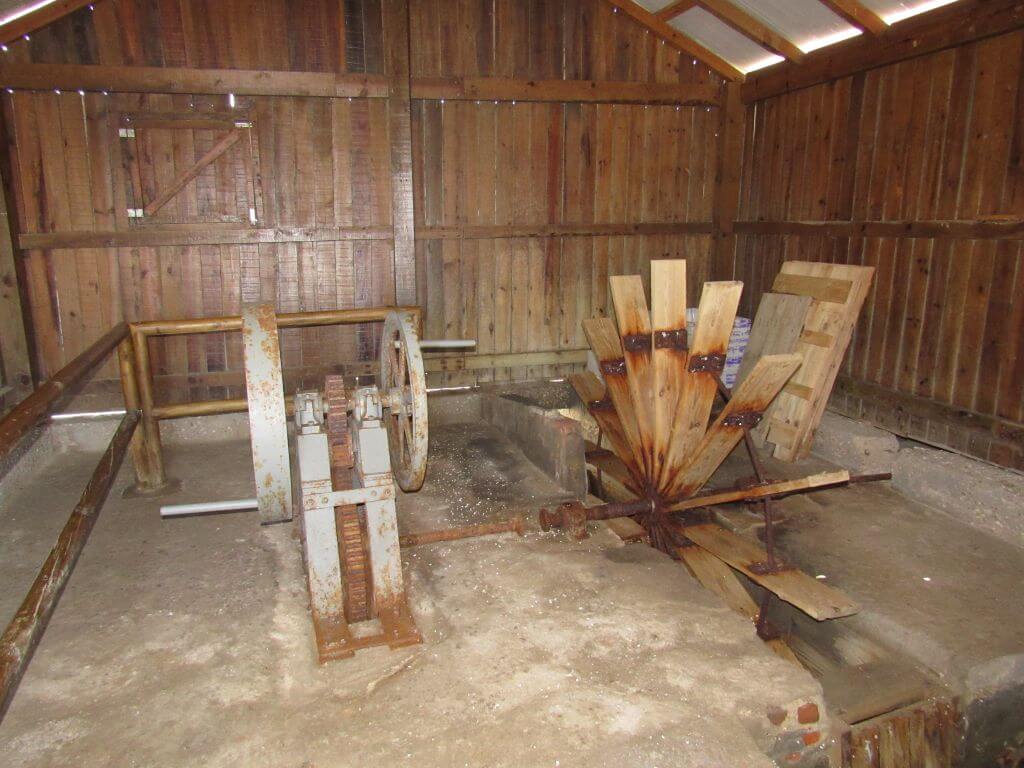
The Tagus salt pans were once the largest salt producers in the country, but today only two produce salt, both in the Samouco salt pan: the semi-mechanised Brito salt pan and the Canto salt pan, which produces salt in the traditional way. At the Canto saltworks, traced salt, coarse salt and fleur-de-sal are produced; these products can be purchased at the Foundation's reception.
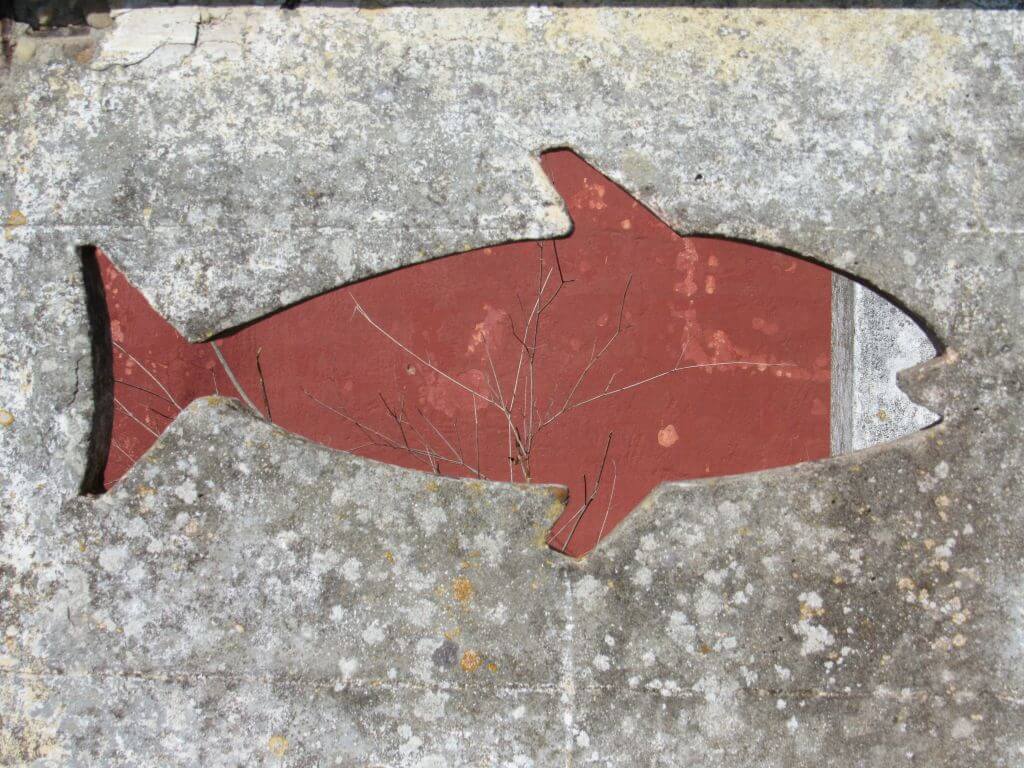
In some of these salt pans, water reservoirs, the water level allows some species of commercially valuable fish to grow, such as eel, sea bass, sea bream and sole, as well as a highly sought-after small shrimp, the prawn.
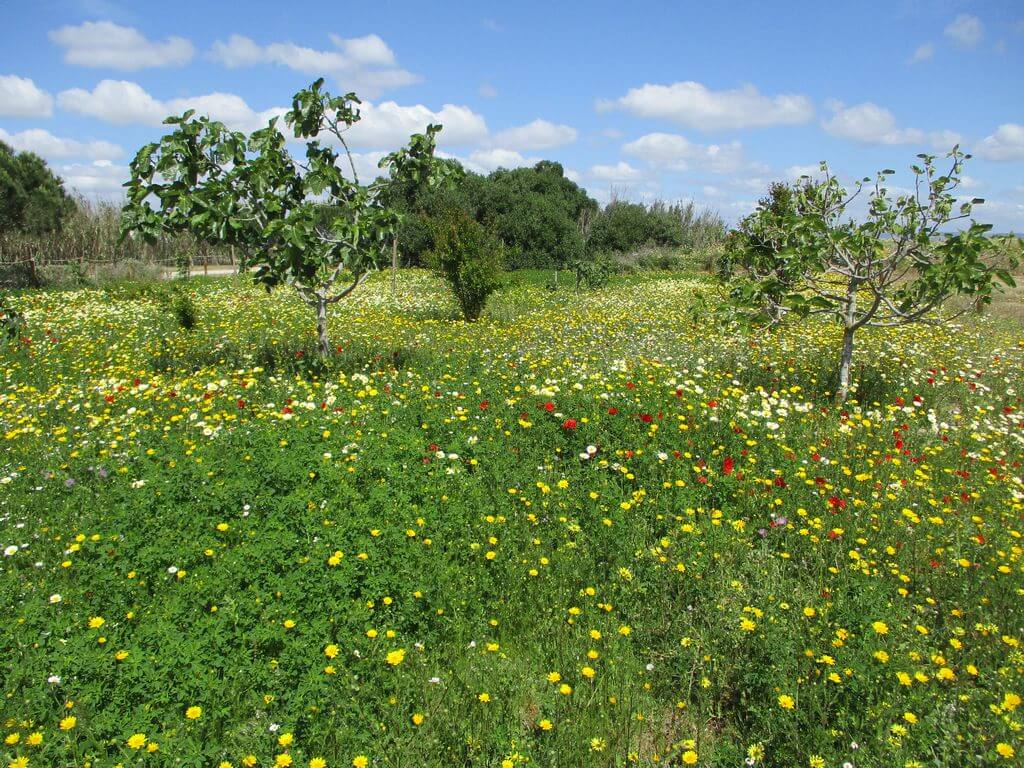
The walls of the salt pans have always been used for vegetable production as a way of supplementing the livelihood of the mariners. Some of the walls of the Samouco salt pans contain organically grown vegetables and fodder, as well as an orchard. Visitors can buy some of the produce from the garden and orchard during the harvest season.
In the Samouco salt pans, the salt pans are managed so that they can be used by the greatest number of water birds. In order to do this, it is essential to control the water levels suitable for birdlife, halt the spread of invasive vegetation and maintain favourable resting and nesting sites for waterfowl.
Note: This event/tour takes place in Portuguese.
Location
Meeting Point
At the entrance to Salinas do Samouco
Samouco salt pans complex 2890-532 Alcochete
Latitude: 38°44'36.77″N
Longitude: 8°58'52.79″W
Meeting time: 9h50
Estimated end time: 13h30
Route Features and Equipment
Circular
Circuit
Equipment
Footwear and clothing suitable for hiking